
Dette må du vite om refinansiering av smålån
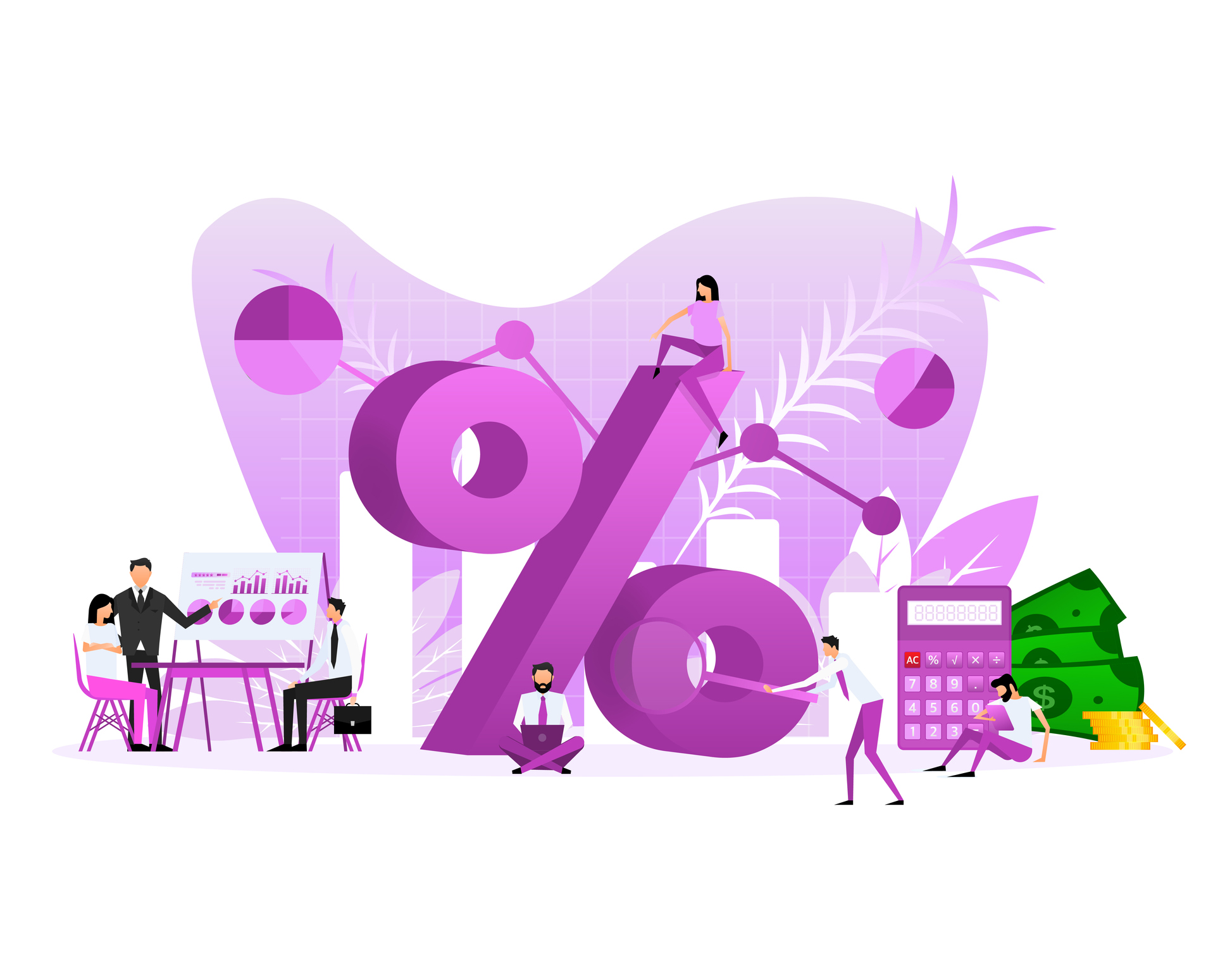 Det kan være mange årsaker til at du havner i en uheldig økonomisk situasjon. Dette kan handle om en plutselig permittering, et samlivsbrudd eller langvarig sykdom. Situasjoner som dette kan gjøre at du havner bakpå med regninger og avdrag på lån. Skulle du befinne deg i en slik situasjon der utgiftene blir for store, kan du vurdere å refinansiere gjelden du har. I denne artikkelen vil vi gi deg informasjonen du behøver når det gjelder refinansiering av smålån.
Hva er refinansiering?
En refinansiering er en prosess som innebærer at du erstatter gjelden du har fra før gjennom å ta opp et nytt lån. På denne måten “friskmelder” du den gamle gjelden med et lån som har bedre betingelser enn utgangspunktet. Bedre betingelser for det nye lånet vil for eksempel være en lavere effektiv rente eller at du har fått en lengre nedbetalingstid enn opprinnelig.
Dersom du får en lavere effektiv rente, vil en større del av terminavdraget du betaler kunne brukes til å betale ned gjelden. Dette er også med på å senke nedbetalingstiden din, slik at du i praksis får et rimeligere lån.
Om du velger å refinansiere deler av økonomien din, vil dette kunne bidra til en bedre økonomisk kontroll og oversikt. Du samler flere smålån og finansielle forpliktelser i ett og samme lån. Som regel må du stille sikkerhet for en refinansiering, men det finnes muligheter som gjør at du også kan refinansiere på andre måter uten sikkerhet også.
Hvilke lån kan refinansieres?
På markedet har du mange ulike lånetyper, både lån med og uten sikkerhet. Det er ulike måter å refinansiere de ulike lånetypene på. Vi har samlet gode råd til hvordan du refinansierer ulike type lån i listen under.
Refinansiering av kredittkort
 Kredittkort er en form for usikret gjeld. Renten på slik usikret gjeld kan ligge opp til 30%. Når du tar opp et kredittkort, velger du selv en kredittramme som ligger opptil 150 000 kroner. Fordelen med et kredittkort er at du kun er ansvarlig for å betale tilbake det du har brukt av kredittrammen. Det er først etter den rentefrie betalingsutsettelsen på mellom 30-60 dager, at rentene løper. Med et kredittkort bestemmer du selv hvor mye du ønsker å betale tilbake over et minimumsbeløp per måned. Dette kan medføre at gjelden du har øker raskere, grunnet den høye renten, enn du rekker å betale ned det du skylder.
Dersom du velger å refinansiere med sikkerhet i egen bolig, vil du få en lavere rente på gjelden din. I tillegg til dette vil du også få en lengre løpetid. Det er også mulig å bake kredittkortet inn i boliglånet. Da øker boliglånet ditt, men du vil likevel få en mer fordelaktig rente på mellom 2-4%.
Refinansiering av smålån
I likhet med kredittkort er også smålån en form for usikret gjeld. Et smålån har derimot som regel en lavere rente enn kredittkort. Rentenivået på et smålån strekker seg opptil 25%. Forbrukslån er ment å være en rask økonomisk hjelp som også er forventet at skal betales tilbake innen kort tid. Normal nedbetalingstid for et smålån er opptil fem år. Har du tatt opp et stort forbrukslån vil utgiftene gradvis øke dersom du har havnet bakpå. Utgiftene kan i verste fall bli vanskelige å håndtere.
Om du har mange smålån kan en refinansiering med sikkerhet i bolig eller en annen eiendel være en god løsning. Da vil du få senket samtlige utgifter du har i måneden og dermed også kostnadene på lånet. Dersom du får senket renteutgiftene med et større samlelån og i tillegg øke løpetiden på lånet, vil du få lavere månedlige kostnader.
Les mer om refinansiering av smålån her.
Hvem passer refinansiering for?
Om du eier bolig og har en del usikret gjeld som du stadig har utfordringer med å betale, vil refinansiering med sikkerhet i bolig være en god løsning. Velger du å refinansiere vil du kunne kvitte deg med de fordyrende kostnadene du har hver måned. Du kan få slettet eventuelle betalingsanmerkninger og få mer økonomisk rom i hverdagen.
Dersom du ikke har en bolig eller annen sikkerhet, kan du søke om refinansiering gjennom en medlåntaker. Har du en kjæreste, ektefelle, forelder eller venn som eier bolig, kan denne stilles som sikkerhet for deg. Banken vil da ta pant i det som stilles som sikkerhet, men det er likevel du som står ansvarlig for å betale på avdrag og rentene på refinansieringslånet.
Hvordan søker du om refinansiering av smålån?
Når du har bestemt deg for å få kontroll over økonomien din, tar ikke søknadsprosessen om refinansiering spesielt lang tid. Dette avhenger av om du har alle dokumenter du trenger og den informasjonen banken krever for å vurdere søknaden din. Jo mer innviklet søknaden er, jo lenger tid tar behandlingen.
Dersom du har sikkerhet i egen bolig, trenger vi kun opplysninger om deg som skal søke. Har du derimot med en medlåntaker som stiller sin bolig som sikkerhet, behøver banken informasjon om medlåntaker og boligens verdi.
I tillegg til personopplysninger om deg og eventuelt medlåntaker, behøver banken:
- Dokumentasjon av lønn, pensjon og trygdeutbetalinger.
- Har du andre inntekter som leieinntekter eller bidrag må dette også dokumenteres.
Hva trenger banken av dokumentasjon?
Når banken skal vurdere refinansieringssøknaden din er det viktig at du viser at du har kontroll på gjelden din og gir riktige opplysninger. Det er også avgjørende at banken opplever deg som en lånetaker som ønsker å rydde opp. Sørg derfor for at du gir så utfyllende informasjon som du kan. Banken trenger å vite om all gjeld du har, dette kan for eksempel dreie seg om:
 Boliglån
- Billån
- Forbrukslån
- Studielån
- Kredittkort
- Kredittlån
- Smålån, mikrolån, SMS-lån
- Private lån
Om du er usikker på om du har gitt banken alle gjeldsopplysninger, kan du undersøke dette selv i gjeldsregisteret. Her kan du enkelt se alle kreditorer og utestående gjeld du har.
Hvor lang tid tar det å betale ned gjelden med refinansiering?
Det er viktig å huske på at det å refinansiere gjeld ikke betyr at gjelden blir fjernet eller slettet. Å refinansiere gjeld betyr at den blir gjort mer håndterbar. Du samler gjelden i et større lån og får lavere månedlige kostnader. På sikt vil du også kunne ende opp med å få et rimeligere lån enn du ville fått i utgangspunktet om du hadde bevart alle enkeltlån.
Velger du å refinansiere via et boliglån vil gjelden din bakes inn i noe du har avtalt å bruke mellom 25-30 år på å betale ned. Å bruke så lang tid på å betale ned gjelden gjør likevel at du har mer økonomisk armslag i hverdagen, ettersom rentenivået er lavere.
Avslag på søknad om refinansiering av smålån – hva kan du gjøre?
Det kan være flere årsaker til at du får avslag på en søknad om refinansiering. Dette kan blant annet handle om at du har en inntekt som enten er for lav eller har vært ustabil de siste tre årene. For banken kan dette virke svært risikabelt å låne ut penger til deg som har lav inntekt. Du kan velge å søke med en medlåntaker for å øke egen inntekt.
Videre kan det hende at gjelden din er for høy, slik at det du stiller som sikkerhet ikke er nok til å dekke gjelden. En måte du kan få ordnet dette på er å undersøke mulighetene for å få en ny verdivurdering på boligen for eksempel. Om det er lenge siden du har fått vurdert verdien kan det vel så godt hende at verdien har steget. Dette kan med andre ord få betydning for lånesøknaden din.